








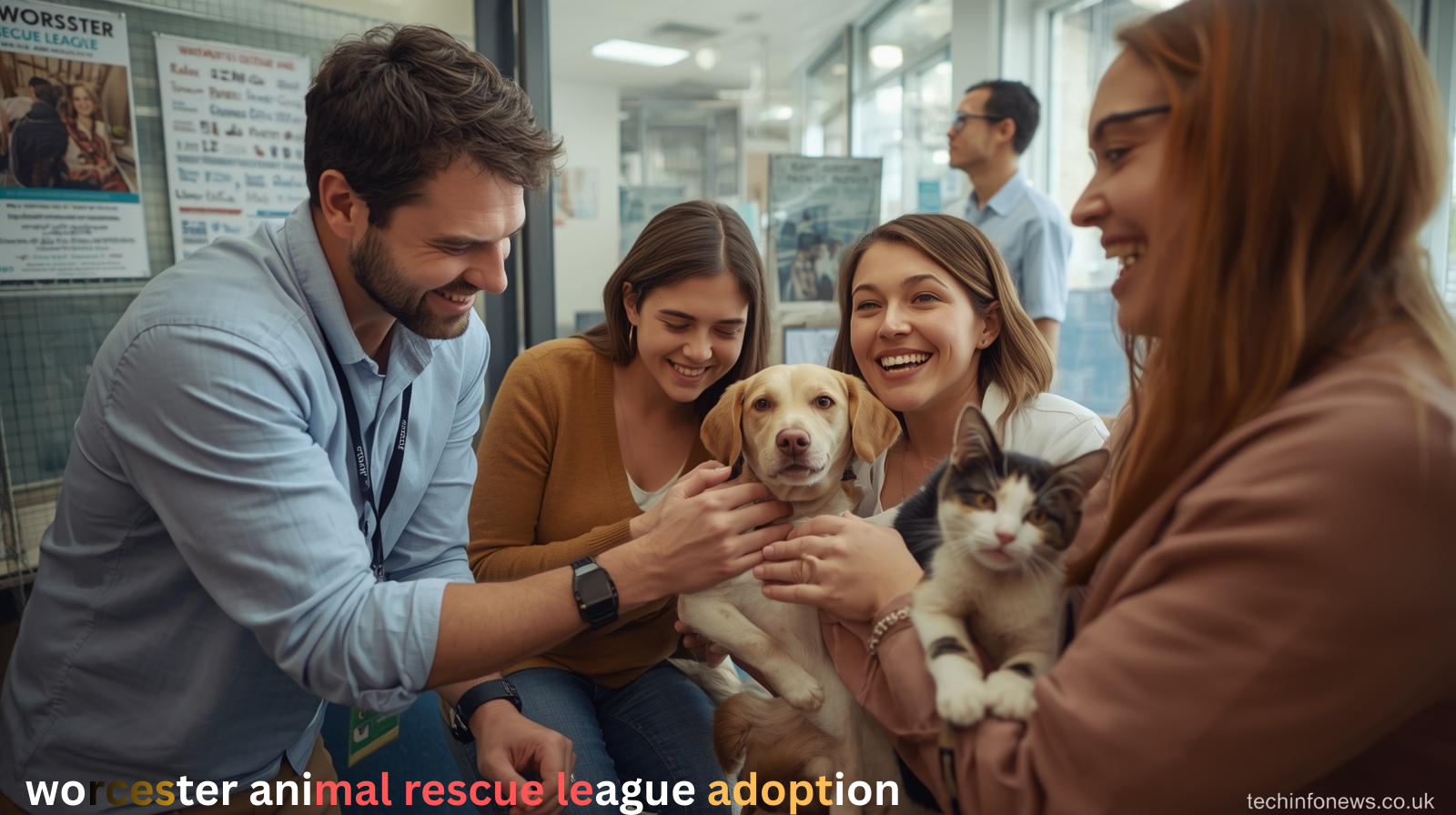
Adopting a pet can be one of the most meaningful decisions a person makes. Across the United States, animal shelters work tirelessly to rescue abandoned, neglected, and homeless animals, helping them find safe and loving homes. One of the well-known organizations dedicated to this mission in Massachusetts is the Worcester Animal Rescue League (WARL). Through the Worcester Animal Rescue League adoption program, thousands of dogs, cats, and small animals have been placed with caring families over the years.
For people considering pet adoption in Central Massachusetts, WARL offers a reliable and compassionate adoption system that prioritizes the well-being of animals while helping adopters find the right companion. The shelter not only provides animals with medical care, safe housing, and behavioral support but also educates the community about responsible pet ownership. This guide explores the Worcester Animal Rescue League adoption process, the types of animals available, adoption fees, requirements, and how to prepare for bringing a rescued pet into your home.
The History and Mission of Worcester Animal Rescue League
The Worcester Animal Rescue League has a long history of serving animals and communities in Massachusetts. Established in 1912, the organization originally focused on protecting farm animals, particularly horses that were often overworked during that period. Over time, as society evolved and transportation methods changed, the organization shifted its focus toward companion animals such as dogs and cats.
Today, the Worcester Animal Rescue League operates as a nonprofit organization dedicated to rescuing animals in need, providing shelter and medical care, and finding permanent homes through responsible adoption programs. The organization’s mission centers on improving the lives of animals while strengthening the human-animal bond within the community.
WARL also emphasizes humane education and community outreach. By teaching people about proper animal care, the organization helps prevent neglect, abandonment, and overpopulation. Through adoption programs, veterinary services, and community support initiatives, the Worcester Animal Rescue League continues to play a vital role in animal welfare throughout the region.
Why Pet Adoption Is an Important Choice
Choosing adoption instead of purchasing a pet from a breeder or pet store has many positive impacts. Every year, millions of animals enter shelters across the United States, many of them abandoned or surrendered due to financial hardship, relocation, or changes in family circumstances. Adoption provides these animals with a second chance at life.
When people adopt through the Worcester Animal Rescue League adoption program, they help reduce the number of animals living in shelters. Each adoption frees up space for another rescued animal in need of care. This cycle helps the shelter continue its mission of saving lives and promoting responsible pet ownership.
Adopting a pet also helps fight unethical breeding practices. Many commercial breeding operations prioritize profit over animal welfare, sometimes resulting in poor living conditions and health problems for animals. By choosing adoption, families support humane practices and contribute to a more compassionate system of animal care.
Animals Available Through the Worcester Animal Rescue League Adoption Program
One of the reasons the Worcester Animal Rescue League adoption program is so popular is the wide variety of animals available for adoption. The shelter frequently houses dogs, cats, kittens, puppies, and sometimes small animals such as rabbits or guinea pigs.
Dogs available for adoption come in many breeds, sizes, and personalities. Some dogs are energetic and playful, making them ideal for active families, while others are calm and affectionate, perfect for quiet households. Many dogs at the shelter are mixed breeds, which often have unique traits and strong resilience.
Cats are another large part of the adoption program. From playful kittens to mature adult cats and gentle senior companions, the shelter provides options for different types of households. Some cats enjoy active environments, while others prefer peaceful homes with fewer people and pets.
Occasionally, the shelter also cares for small animals like rabbits or other companion pets. These animals may require specific care, but they can also make wonderful companions for the right families.
Understanding the Worcester Animal Rescue League Adoption Process
The adoption process at the Worcester Animal Rescue League is designed to ensure that animals are placed in homes where they will receive proper care and attention. Although the process is generally straightforward, it includes several important steps to ensure a good match between the pet and the adopter.
Prospective adopters usually begin by visiting the shelter to meet available animals. During these visits, staff members provide information about each animal’s history, personality, and care requirements. This helps potential adopters determine which pet might fit best with their lifestyle.
Once someone finds a pet they are interested in adopting, the next step usually involves an application and a conversation with shelter staff. The goal is not to make the process difficult but to ensure the animal’s needs will be met in its new home. Staff members may discuss factors such as living arrangements, experience with pets, and daily routines.
In many cases, adoptions can be completed the same day if the shelter staff feels confident that the match is suitable. This efficient system allows animals to move quickly into permanent homes where they can begin their new lives.
Adoption Fees and Veterinary Care Included
Adoption fees play an important role in supporting the work of the Worcester Animal Rescue League. These fees help cover the cost of food, shelter, medical care, vaccinations, and other services provided while animals are in the shelter’s care.
Although adoption fees vary depending on the animal’s age and type, they generally include several valuable veterinary services. Most animals are spayed or neutered before adoption, which helps prevent unwanted litters and supports responsible pet ownership.
Animals are also typically vaccinated and examined by veterinary professionals while staying at the shelter. Dogs are often microchipped, which allows them to be identified and returned to their owners if they ever become lost. Cats may be tested for common feline diseases before being placed in adoptive homes.
These services make adoption both affordable and beneficial for families. Instead of paying separately for veterinary procedures after bringing a pet home, adopters receive a pet that has already received essential medical care.
Visiting the Shelter and Meeting Adoptable Pets
Meeting animals in person is one of the most exciting parts of the Worcester Animal Rescue League adoption experience. Visitors can interact with animals, observe their behavior, and determine whether there is a natural connection between them and a potential pet.
Shelter staff typically encourage families to spend time with animals before making a decision. This interaction allows adopters to see how the pet responds to people and helps staff assess whether the match is likely to succeed. For dogs, meet-and-greet sessions may include short walks or time in designated areas where adopters can interact with them.
Some adopters choose to visit the shelter multiple times before making a final decision. This approach can be especially helpful when adopting a dog or cat that may require more time to adjust to new surroundings.
By allowing visitors to interact with animals in a relaxed environment, the shelter increases the chances of successful adoptions and long-term happiness for both pets and owners.
Preparing Your Home for a Newly Adopted Pet
Before bringing home a rescued pet, it is important to prepare your home and family for the transition. Animals coming from shelters often need time to adjust to unfamiliar surroundings, new people, and different routines.
Creating a comfortable space for the pet can make the adjustment easier. Dogs may benefit from having a designated sleeping area, toys for stimulation, and regular outdoor exercise. Cats typically require a litter box, scratching surfaces, and safe spaces where they can relax and observe their environment.
It is also helpful to establish consistent routines for feeding, playtime, and rest. Animals thrive when they understand what to expect each day, and predictable schedules can reduce stress during the transition period.
Patience is essential when adopting a rescued animal. Some pets adjust quickly, while others may take several weeks to fully feel comfortable in their new homes. Providing kindness, stability, and positive reinforcement will help the pet build trust and confidence.
Community Programs and Support Services
Beyond its adoption program, the Worcester Animal Rescue League also offers several community services designed to help both animals and pet owners. These programs reflect the organization’s commitment to improving animal welfare on a broader scale.
One important service provided by WARL is low-cost veterinary care. By offering affordable vaccinations, wellness exams, and other treatments, the organization helps families maintain their pets’ health even during financial challenges.
The shelter also runs programs such as a pet food pantry, which provides temporary assistance to families who are struggling to afford pet food. This service helps prevent pets from being surrendered to shelters due to financial hardship.
Additionally, WARL supports responsible pet ownership through spay and neuter programs. These initiatives help reduce the number of unwanted animals entering shelters each year, contributing to long-term improvements in animal welfare.
Tips for Ensuring a Successful Pet Adoption
Adopting a pet requires commitment, patience, and responsibility. To ensure a successful adoption, it is important for potential owners to carefully consider their lifestyle and the needs of the animal they plan to adopt.
Different animals have different energy levels and personality traits. Active families may prefer energetic dogs that enjoy outdoor activities, while quieter households might benefit from adopting calm or senior pets. Matching a pet’s temperament with the adopter’s lifestyle increases the likelihood of a happy and stable relationship.
Training and socialization are also key aspects of responsible pet ownership. Dogs may need obedience training to learn basic commands and appropriate behavior, while cats benefit from enrichment activities that keep them mentally stimulated.
Finally, adopters should maintain regular veterinary care, proper nutrition, and a safe environment for their pets. With consistent care and attention, adopted animals can live long, healthy, and fulfilling lives with their new families.
Read more;Games Updates EmbedTree: A Complete Guide to Modern Game Update Systems
Conclusion
The Worcester Animal Rescue League adoption program provides an excellent opportunity for individuals and families to welcome a loving companion into their homes while supporting an important animal welfare mission. With more than a century of experience in rescuing and caring for animals, WARL has developed a trusted system that prioritizes the well-being of both pets and adopters.
Through its adoption services, veterinary care programs, and community support initiatives, the organization continues to make a positive difference in the lives of countless animals. Every successful adoption represents a new beginning for a pet that once faced uncertainty.
For anyone considering pet adoption in Massachusetts, visiting the Worcester Animal Rescue League can be the first step toward building a lifelong bond with a rescued animal. With patience, preparation, and a commitment to responsible pet ownership, adopting a pet from WARL can bring joy, companionship, and purpose to both the animal and its new family.