







The medical world is booming right now, and finding the perfect job can feel overwhelming. Luckily, becoming a cath lab tech is one of the absolute best ways to enter the healthcare field quickly. This exciting role puts you right at the center of life-saving heart procedures every single day. If you want a job with excellent security, great pay, and the chance to truly help people, this path is perfect for you. Let us dive into what makes this career so special and how you can start your own journey today.
What Exactly is a Cath Lab Tech?
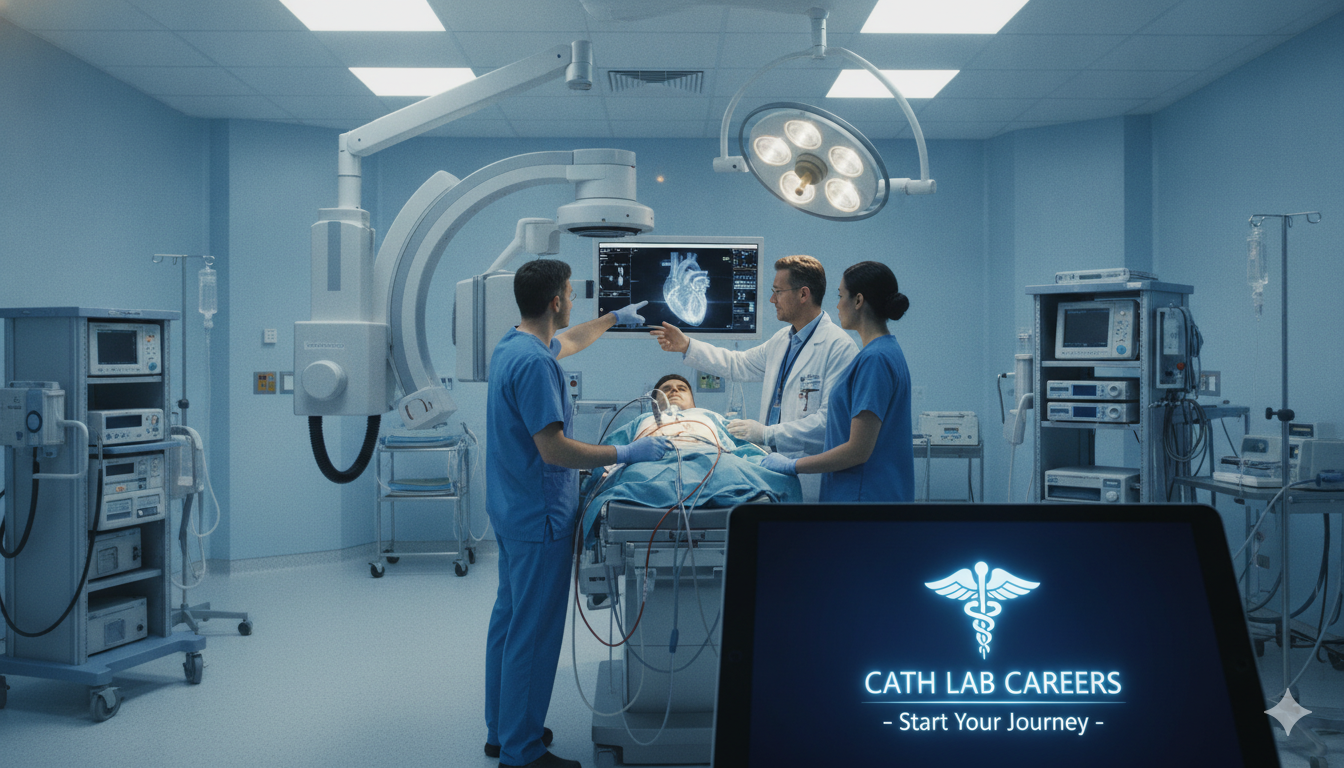
A cath lab tech, also known as a cardiac catheterization technologist, is a vital medical professional. You work directly inside a specialized operating room called a cardiac catheterization laboratory. Your main job is to help doctors look inside a patient’s heart using small tubes and advanced x-ray machines. This helps the medical team find and treat dangerous heart problems before they cause serious harm. It is a fast-paced role where your quick thinking helps save lives during emergencies.
Daily Duties inside the Cardiac Catheterization Laboratory
Working in this field means your days are never boring. A typical day for a cath lab tech involves preparing patients for their heart procedures. You will clean and position the patient safely on the exam table. Next, you check the complex monitoring equipment to ensure everything works perfectly. During the actual procedure, you hand tools to the doctor and watch the patient’s vital signs closely. Afterward, you update medical records and make sure the patient feels comfortable and safe.
Essential Skills for Cardiovascular Technologists
To thrive as a cath lab tech, you need a mix of technical knowledge and deep kindness. You must understand complex medical machines and how to read heart monitors accurately. Being detail-oriented is a huge plus because doctors rely on your precise data. However, having a gentle bedside manner is just as important as your technical skills. Patients are often very scared before a heart procedure, so your calm voice can make a massive difference in their comfort.
Required Education and Training Paths
Starting this career is much faster than becoming a doctor or a nurse. Most people earn a two-year associate degree in cardiovascular technology from an accredited school. During your training, you will study human anatomy, heart disease, and medical imaging technology. You will also spend time working in real hospitals during your clinical rotations. This hands-on practice ensures you feel completely confident and ready the very first day you step into a real job.
Certifications That Boost Your Salary
Getting certified is the best way to prove you are a true expert. Most top hospitals prefer to hire a cath lab tech who holds a valid credential. The most popular certification is the Registered Cardiovascular Invasive Specialist (RCIS) designation. Earning this certificate shows employers that you possess advanced knowledge and skills. It makes your resume stand out instantly, helps you secure jobs faster, and allows you to negotiate a much higher starting paycheck.
High Salary Potential and Job Outlook
One of the biggest perks of this job is the fantastic financial reward. A skilled cath lab tech earns a very comfortable living anywhere in the United States. According to real hospital data, the average salary often ranges from $70,000 to over $100,000 per year. Your exact pay depends on your location, your certifications, and your years of experience. Because heart health is always a top priority, hospitals are constantly searching for talented people to fill these roles.

Comparing the Cath Lab to Other Hospital Units
You might wonder how this job differs from working in the emergency room or a regular ward. In a cardiac unit, you focus deeply on one patient at a time. The environment is highly controlled, clean, and filled with cutting-edge technology. Unlike regular floors where you might care for dozens of patients at once, here you give your full attention to a single procedure. This allows you to provide the highest quality of care without feeling pulled in a million directions.
The Ultimate Cardiac Tech Career Comparison Table
Choosing the right path in heart healthcare is much easier when you can compare your options side by side. This clear table breaks down the most popular career paths in the cardiovascular field today.
| Job Title | Education Required | Average Annual Salary | Primary Work Setting |
| Cath Lab Tech | 2-Year Associate Degree | $75,000 – $105,000 | Hospital Procedure Rooms |
| Cardiac Sonographer | 2-Year Degree or Certificate | $70,000 – $95,000 | Imaging Centers & Clinics |
| EKG Technician | Short Certificate Course | $40,000 – $55,000 | Doctor Offices & Hospitals |
| Cardiovascular Nurse | 4-Year Bachelor Degree | $80,000 – $115,000 | Intensive Care Units |
Real Insights: A Day in the Medical Life
Imagine walking into work knowing you will help fix a broken heart today. As a cath lab tech, you might assist with an angioplasty, which opens up blocked arteries. You see the immediate relief on a patient’s face when their chest pain disappears. It is a powerful feeling that few other jobs can ever give you. The work requires focus and stamina, but the emotional reward of sending someone home healthy is absolutely priceless.
How to Find Top Jobs Across the United States
Once you finish your training, finding a job as a cath lab tech is quite simple. Major medical centers, private heart clinics, and suburban hospitals all need your skills. You can use online job boards or work with specialized medical recruitment agencies to find openings. Many graduates even get hired by the exact hospitals where they did their school training. Being willing to move to a new city can open up even more high-paying opportunities.

Traveling Techs: Explore the Country While Earning
If you love adventure, you should consider becoming a traveling cath lab tech. Traveling healthcare workers take short-term contracts at different hospitals across the country. These assignments usually last anywhere from eight to thirteen weeks. The best part is that traveling agencies often pay for your housing and travel expenses. This lifestyle allows you to see beautiful new places, meet amazing friends, and earn an incredible income all at the same time.
Conclusion:
Becoming a cath lab tech is an extraordinary career path that blends technology, high pay, and human kindness. You can complete your training quickly and step into a stable job that makes a massive impact on the world. If you are ready to change your life and start a rewarding medical journey, look into local cardiovascular training programs today. Your future in the healthcare field is bright, and the heart care world is waiting for you!
FAQs
What does a cath lab tech do during a heart attack emergency?
During a heart attack, you act fast to help the doctor open the blocked artery. You quickly prepare the sterile tools, get the patient ready, and monitor their vitals. Your speed helps save precious heart muscle from permanent damage.
Is it hard to learn how to be a cath lab tech?
The training requires dedication, but it is highly focused on practical skills. If you enjoy hands-on learning, science, and working with technology, you will find the coursework very manageable and exciting.
Can a cath lab tech work in places other than hospitals?
Yes, you can work in private outpatient clinics, specialized heart centers, or as a traveling contractor. Some experienced professionals also work for medical device companies as clinical instructors.
How long does it take to get certified as an RCIS?
Most students take the RCIS exam right after graduating from their two-year associate degree program. Studying for the test usually takes a few months of focused review after your classes end.
Do cath lab techs have to work on weekends or holidays?
Many hospitals require staff to take turns being “on-call” for emergencies during evenings, weekends, and holidays. This means you must be ready to come to the hospital quickly if a patient has a heart emergency.
What is the difference between a cath lab tech and an EKG tech?
An EKG tech only hooks up patches to record the heart’s electrical signals. A cath lab tech actually assists inside the sterile room during invasive procedures where tubes are placed inside the body.