








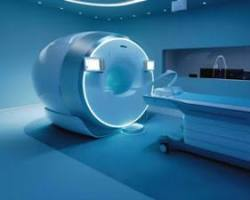
An MRI technologist is a trained medical expert who operates massive, powerful magnetic scanners. These special machines create detailed pictures of organs, bones, and tissues without using harmful radiation. Doctors rely completely on these images to diagnose injuries, find hidden diseases, and plan life-saving treatments for patients. Without your careful work, physicians would struggle to see what is happening inside the human body. Working in this field means you are an essential part of the modern healthcare team. You will spend your days talking to patients, explaining the scanning process, and keeping them calm inside the loud machine. Many people feel scared or nervous during their very first scan. Your gentle voice and friendly smile turn a frightening hospital visit into a smooth, comfortable experience for everyone who walks through your doors.
Average National Starting Salary for New Graduates
Earning a strong income right out of school changes your life in wonderful ways. The national starting pay for MRI tech graduates typically ranges between sixty-five thousand and seventy-five thousand dollars per year. Hourly wages usually sit around thirty-two to thirty-eight dollars for entry-level positions. This amazing money helps you pay off student loans quickly and achieve financial freedom much sooner than your peers. Keep in mind that your actual paycheck depends on several important factors like location and facility type. Major hospitals in busy cities often pay higher wages to attract top talent. Meanwhile, smaller outpatient clinics might offer quieter work environments with slightly different benefit packages. No matter where you choose to work, the baseline earnings for beginning imaging professionals remain exceptionally high compared to other two-year degree careers.
Factors That Influence Your Entry-Level Pay
Several key elements determine how much money you will take home on payday. Where you live plays the biggest role because states with a high cost of living offer much larger salaries. For example, working in California or New York generally yields higher hourly rates than working in rural southern towns. Researching regional pay scales helps you pick the most profitable cities to launch your career. The type of healthcare facility you choose also impacts your starting paycheck. Large trauma centers and busy regional hospitals usually have bigger budgets for staff salaries. On the flip side, private diagnostic imaging centers might provide steadier daytime schedules with fewer overnight shifts. Evaluating your personal lifestyle and financial goals helps you find the absolute best workplace fit for your future and career growth.
Education and Certification Requirements
Becoming a certified imaging expert requires dedication and completion of an accredited training program. Most future specialists earn an associate degree in radiologic technology or magnetic resonance imaging. These focused programs combine classroom learning with hands-on clinical training inside real hospitals. You will learn human anatomy, safety protocols, and machine operation inside and out. After finishing school, you must pass a national certification board exam administered by the ARRT. Holding this recognized credential proves to employers that you possess the skills needed to keep patients safe. Hospitals will not hire uncertified workers, making this test your golden ticket to landing high-paying jobs anywhere in the country. Studying hard for your board exam pays off immediately when you start applying for dream positions.
How Shift Differentials Increase Your Earnings
Hospitals and emergency imaging centers operate twenty-four hours a day, seven days a week. Because scanning needs happen around the clock, facilities offer extra money for working odd hours. Taking on evening, night, or weekend shifts triggers special bonus pay known as shift differentials. These extra dollars per hour add up fast and dramatically boost your monthly income. Many new graduates choose to work overnight shifts for the first couple of years to maximize their savings. Working weekends or holidays can also increase your hourly rate by five to ten dollars extra. Smart professionals use these flexible scheduling options to accelerate their financial goals while gaining invaluable hands-on experience across diverse medical emergency cases.
Overtime and On-Call Opportunities
Healthcare facilities frequently face staffing shortages and unexpected patient surges that require extra labor. When you agree to work extra hours or stay late, you earn lucrative overtime pay. Federal labor laws require employers to pay time-and-a-half for every hour worked over forty hours per week. Grabbing a few extra shifts each month can push your annual earnings past eighty thousand dollars easily. Being on-call is another fantastic way to pad your bank account significantly. When you are on-call, you stay ready to rush to the hospital if an urgent scan is ordered. Even if you do not get called in, many facilities pay a base standby wage just for keeping your phone on. When emergency scans do happen, you collect wonderful bonus pay for your rapid response.
Comparing Hospital vs. Outpatient Clinic Salaries
Choosing where to work involves balancing your income goals with your personal lifestyle preferences. Large hospital systems generally offer the highest starting pay for MRI tech roles due to constant emergency demands. However, these environments can feel fast-paced, stressful, and require working unpredictable rotating shifts, weekends, and holiday schedules. Outpatient imaging centers provide a wonderful alternative for workers who prefer predictable Monday through Friday hours. While hourly wages at independent clinics might be slightly lower than major hospitals, the work-life balance is often unbeatable. You get evenings and weekends completely free to spend with your family, making it an attractive option for parents and busy adults.
Tips to Boost Your Earning Potential Fast
Accelerating your career growth requires smart planning and continuous professional development from day one. Earning secondary certifications in specialized areas like cardiac imaging or neurological scans makes you infinitely more valuable to employers. Hospitals gladly pay higher wages to staff members who can handle complex, specialized diagnostic procedures without extra supervision. Building a strong professional network and maintaining flawless attendance also opens doors to quick promotions. Volunteer for leadership tasks, help train new students, and show genuine enthusiasm during every single shift. When management sees your dedication, you become the first person they think of when senior technologist positions or department supervisor roles open up with higher pay.
Frequently Asked Questions
What is the typical starting pay for an MRI tech?
The typical starting pay for mri tech graduates ranges from $65,000 to $75,000 per year in the United States. Entry-level hourly wages usually land between $32 and $38, depending on your geographic location and the type of healthcare facility you choose to work in.
Do I need a degree to become an MRI technologist?
Yes, you generally need an associate degree or a specialized post-primary certificate in magnetic resonance imaging. You must also graduate from an accredited program and pass the official national certification board exam before you can legally work in a hospital.
Which states offer the highest starting salaries?
States with a higher cost of living and heavy populations offer the best compensation packages for new graduates. California, New York, Washington, and Massachusetts consistently lead the nation with the highest entry-level hourly wages and annual starting salaries.
Can I work flexible shifts as an MRI technologist?
Yes, many healthcare facilities offer incredible schedule flexibility, including part-time work, per diem shifts, and weekend-only options. Because medical imaging departments operate around the clock, you can often find shifts that fit your unique lifestyle and family needs.
How does overtime impact my annual income?
Overtime pays time-and-a-half for every hour worked beyond your standard forty-hour weekly schedule. Picking up just one or two extra shifts every month can substantially increase your take-home pay and help you reach your personal financial goals much faster.
Is the job market outlook good for new MRI techs?
The job market outlook is exceptionally bright and growing much faster than average across the United States. An aging population and continuous advancements in medical scanning technology ensure that hospitals will need skilled imaging specialists for decades to come.
Conclusion
Embarking on a career in medical imaging is one of the smartest professional moves you can make today. The incredible starting pay for mri tech positions provides financial stability, while the fulfilling daily work lets you make a real difference in people’s lives. By getting the right education, earning your board certifications, and choosing the ideal work environment, you set yourself up for lifelong success. Take the first step toward your dream future today, apply to an accredited training program, and watch your rewarding healthcare career take off!