








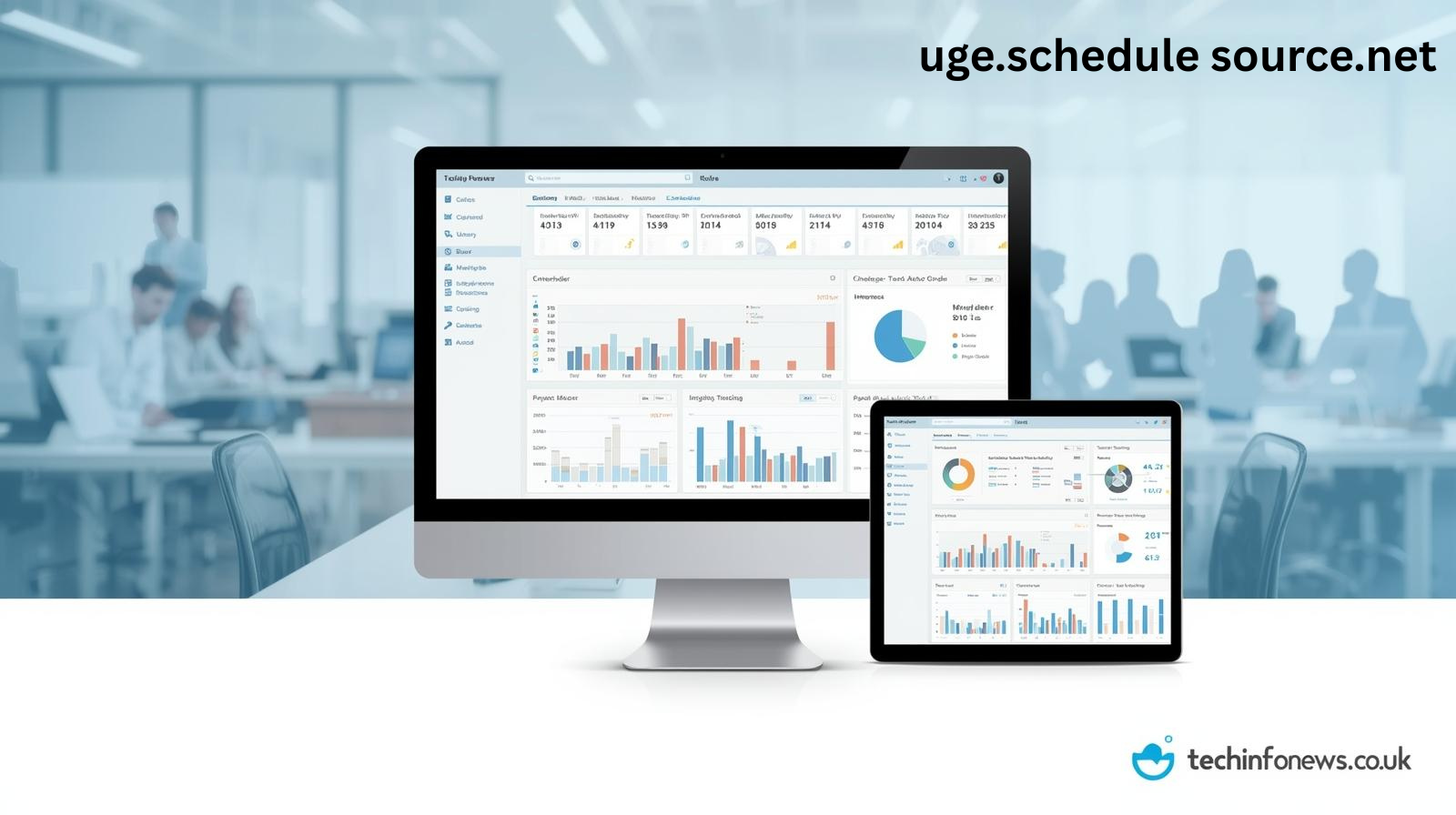
Understanding uge.schedule source.net and Its Purpose
The website uge.schedule source.net, commonly referred to as UGE Schedule Source, is a cloud-based workforce scheduling and employee management platform designed to help organizations manage complex staffing operations. It is widely associated with ScheduleSource TeamWork, a workforce management solution used by enterprises that operate in industries such as healthcare, aviation, retail, education, hospitality, and large corporate environments. The platform focuses on automating employee scheduling, shift planning, time tracking, and workforce optimization in a centralized digital environment.
In modern organizations where employee schedules constantly change due to business demand, labor laws, and staffing availability, tools like uge.schedule source.net play a critical role in maintaining operational efficiency. Instead of relying on spreadsheets or manual scheduling boards, managers use this system to generate rule-based schedules that align with employee qualifications, availability, and compliance requirements. This reduces errors, prevents conflicts, and ensures that staffing levels meet organizational needs at all times.
The purpose of uge.schedule source.net is not only to display employee schedules but also to serve as a comprehensive workforce management portal. Through its secure login system, both managers and employees can access real-time schedule data, submit leave requests, manage shift swaps, review attendance records, and receive notifications regarding updates. This centralized access enhances communication and transparency across teams.
Core Features of uge.schedule source.net
One of the most important features of uge.schedule source.net is automated employee scheduling. The system uses predefined business rules, labor policies, and availability data to generate optimized schedules. These rules can include maximum weekly hours, required rest periods, skill-based assignments, seniority considerations, and union regulations where applicable. By incorporating these variables, the system reduces the risk of overstaffing, understaffing, or violating labor compliance standards.
Another key feature is time and attendance tracking. Organizations can integrate scheduling data with attendance records to monitor punctuality, overtime, absenteeism, and shift coverage. This integration helps HR departments maintain accurate payroll processing and reduces discrepancies caused by manual entry errors. Real-time updates ensure that managers can quickly identify coverage gaps and make necessary adjustments before operations are affected.
The platform also supports employee self-service functionality. Employees can log into uge.schedule source.net to check upcoming shifts, request time off, view accumulated leave balances, and initiate shift swaps. This self-service model reduces administrative workload for managers while giving employees greater control over their schedules. It also enhances workplace satisfaction by improving flexibility and transparency.
The Login Process and Security Measures
Access to uge.schedule source.net typically requires credentials provided by an employer. Users must enter specific login details such as enterprise ID, username, password, and sometimes location or company codes. These layered authentication steps are designed to protect sensitive workforce data and ensure that users access only their designated organization’s portal.
Security is a crucial component of any workforce management system. Since uge.schedule source.net handles employee personal information, work schedules, and attendance records, strong password policies and encryption standards are generally implemented. Some organizations may also enable additional authentication layers to further secure access and prevent unauthorized entry.
Although first-time users may find the login interface slightly complex due to multiple required fields, this complexity often reflects enterprise-level security standards. Once logged in, users typically gain access to a personalized dashboard where they can view schedules, manage requests, and communicate changes efficiently.
Benefits for Managers and Supervisors
For managers, uge.schedule source.net significantly reduces the time spent creating and adjusting employee schedules. Traditional manual scheduling methods require constant revisions, especially in industries with rotating shifts or high turnover. With automated scheduling tools, managers can quickly generate balanced rosters that consider availability, labor rules, and operational demand.
The platform also provides visibility into labor costs and staffing efficiency. Managers can analyze overtime patterns, identify scheduling conflicts, and monitor productivity trends. These insights enable better strategic planning and more accurate forecasting of staffing needs during peak periods or seasonal fluctuations.
Another important benefit is improved compliance management. By embedding labor regulations and company policies into the scheduling engine, uge.schedule source.net helps prevent violations such as excessive overtime or insufficient rest periods. This reduces the risk of legal penalties and enhances overall workforce governance.
Employee Experience and Self-Service Access
From an employee perspective, uge.schedule source.net offers convenient access to work schedules at any time. Instead of contacting supervisors for schedule updates, employees can log in and instantly view their assigned shifts. This real-time visibility minimizes confusion and ensures that everyone stays informed about changes.
The ability to request time off directly through the platform streamlines communication between employees and management. Employees can submit vacation or personal leave requests electronically, and managers can review and approve them within the same system. This reduces paperwork and accelerates approval processes.
Shift swapping functionality also enhances flexibility. Employees who need to exchange shifts can initiate swap requests within the system, subject to managerial approval. This structured approach ensures proper documentation and prevents scheduling conflicts while maintaining accountability.
Integration With Payroll and HR Systems
One of the significant strengths of uge.schedule source.net is its ability to integrate with payroll and human resources systems. When scheduling data aligns directly with time and attendance records, payroll calculations become more accurate and efficient. This integration minimizes errors in wage calculations, overtime payments, and leave deductions.
HR departments benefit from centralized reporting tools that provide insights into employee performance, attendance patterns, and workforce utilization. These analytics help organizations identify trends such as frequent absenteeism, staffing shortages, or excessive overtime reliance. By analyzing this data, decision-makers can implement corrective strategies to improve productivity and cost management.
Integration also supports compliance documentation. Accurate records of working hours, leave balances, and shift allocations are essential for audits and regulatory requirements. Having all this data stored digitally within uge.schedule source.net simplifies reporting and ensures transparency.
Challenges and Limitations
While uge.schedule source.net offers numerous advantages, some users report usability challenges, especially for new employees unfamiliar with enterprise scheduling systems. The interface may appear less intuitive compared to newer workforce apps that prioritize modern design elements. However, training and onboarding resources typically address these concerns.
Another limitation can involve mobile functionality. Although mobile access is often available, certain advanced scheduling tasks may still require desktop access for full functionality. Organizations that rely heavily on remote management may need to ensure compatibility across devices to maximize efficiency.
Customization can also require administrative expertise. Setting up complex labor rules and scheduling parameters demands careful configuration to ensure accuracy. Without proper setup, automated schedules may require frequent manual adjustments. Therefore, initial implementation planning is critical for optimal performance.
Best Practices for Effective Implementation
Successful implementation of uge.schedule source.net begins with clearly defining organizational scheduling policies. Companies should document labor rules, availability requirements, skill qualifications, and compliance standards before configuring the system. Proper rule configuration ensures that automated scheduling functions correctly from the start.
Training plays a vital role in adoption. Both managers and employees should receive guidance on how to navigate the portal, submit requests, and interpret scheduling data. When users understand the system’s capabilities, they are more likely to utilize it effectively and reduce reliance on manual processes.
Regular monitoring and evaluation further enhance performance. Managers should review analytics reports to identify inefficiencies and adjust scheduling strategies accordingly. By continuously refining processes based on system insights, organizations can achieve long-term workforce optimization.
The Future of Workforce Scheduling Platforms
As workforce technology continues to evolve, platforms like uge.schedule source.net are expected to incorporate more advanced analytics and predictive scheduling features. Artificial intelligence and data-driven forecasting may further improve labor demand prediction, helping businesses adapt quickly to market changes.
Greater integration with broader HR ecosystems is also likely. Seamless connections between scheduling, payroll, performance management, and employee engagement tools will create a more unified digital workplace environment. This integration enhances transparency and improves operational alignment across departments.
User experience enhancements may also shape the future of uge.schedule source.net. Modern interface updates, improved mobile accessibility, and enhanced communication tools could further strengthen employee engagement. As organizations increasingly prioritize digital transformation, workforce scheduling platforms will remain essential components of enterprise infrastructure.
Read More:Topics MyWirelessCoupons: The Complete Guide to Wireless Savings and Promo Codes
Conclusion
UGE.schedule source.net serves as a comprehensive workforce scheduling and management solution designed to streamline complex staffing operations. By automating schedule creation, integrating time and attendance tracking, and supporting compliance management, the platform helps organizations improve efficiency and reduce administrative burdens. Its employee self-service features enhance transparency and flexibility, while analytics tools provide valuable insights for strategic planning.
Although challenges such as interface complexity and configuration requirements may exist, proper implementation and training can maximize its benefits. As workforce technology advances, uge.schedule source.net is positioned to remain a critical tool for enterprises seeking structured, data-driven scheduling solutions. For organizations managing large or shift-based teams, it represents a reliable approach to modern workforce optimization.