








What Is Connectivity HSSGamepad and Why It Matters
Connectivity HSSGamepad refers to the full range of connection technologies and communication protocols that allow the HSSGamepad controller to interact smoothly with gaming devices such as PCs, smartphones, tablets, smart TVs, and selected consoles. In modern gaming, connectivity is no longer just about plugging in a cable. It involves wireless pairing, signal stability, latency control, firmware optimization, and cross-platform compatibility. The strength and reliability of a controller’s connectivity directly influence gameplay accuracy, responsiveness, and overall user experience.
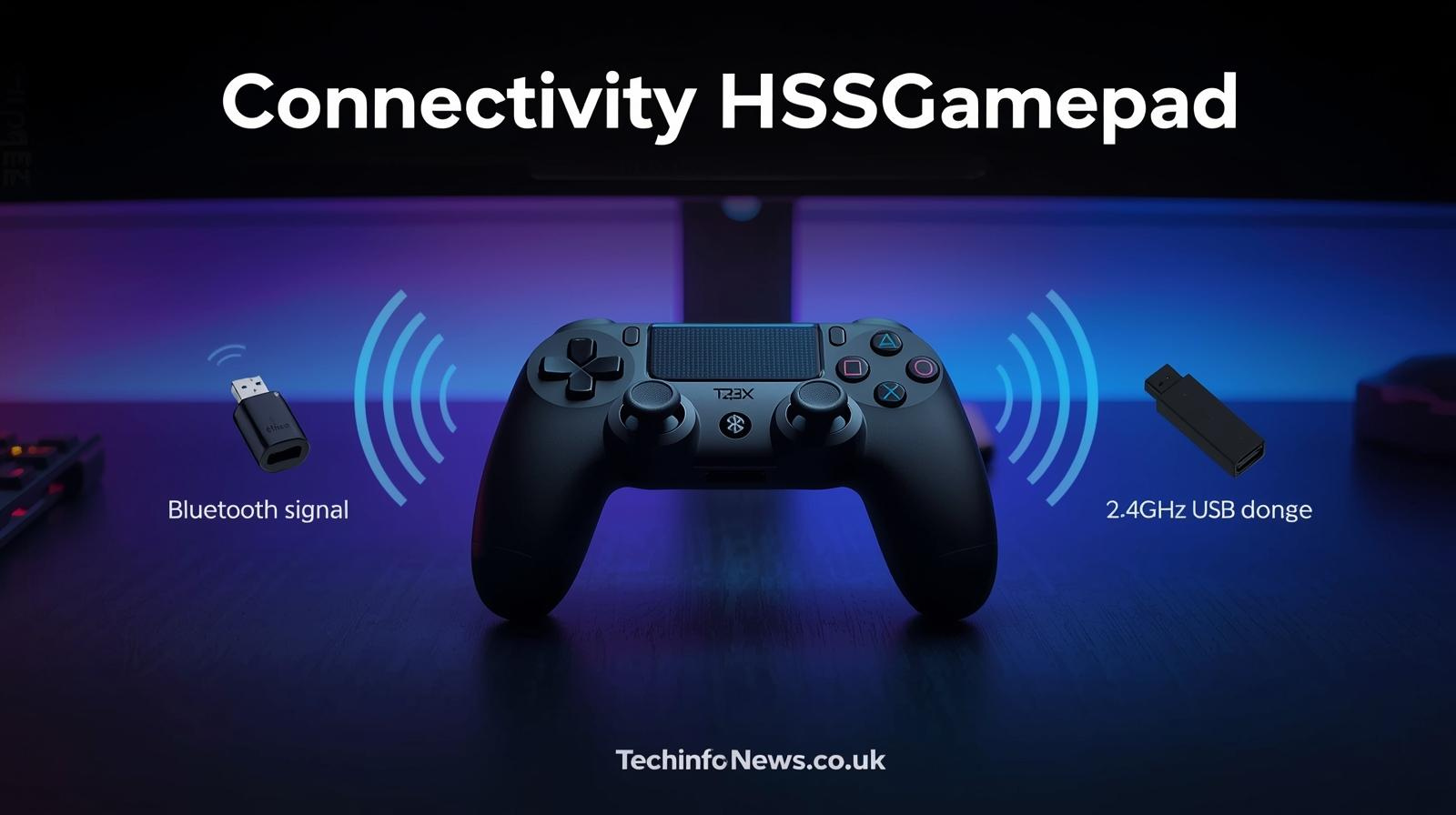
The HSSGamepad is designed with multi-mode connectivity in mind, typically offering Bluetooth wireless pairing, USB-C wired support, and in some models, a 2.4GHz wireless dongle connection. These options allow gamers to switch between devices without complicated setups. Whether someone is streaming games via cloud gaming platforms, playing competitive esports titles, or enjoying casual mobile games, the quality of the connection determines how accurately button presses and joystick movements are translated on screen. Strong connectivity ensures minimal input lag, stable signal transmission, and fewer unexpected disconnections.
From a technical perspective, connectivity in gaming controllers relies on efficient data packet transmission between the controller and the host device. Even small delays can affect reaction time in fast-paced games. This is why connectivity HSSGamepad is often discussed alongside terms like low latency gaming, wireless controller stability, signal interference reduction, and cross-platform gamepad compatibility. Understanding these elements helps users make informed decisions and get the best performance from their device.
Bluetooth Connectivity in HSSGamepad: Technology and Performance
Bluetooth connectivity is one of the most commonly used wireless technologies in the HSSGamepad ecosystem. Most modern models support advanced Bluetooth standards such as Bluetooth 5.0 or higher, which provide improved range, faster data transfer speeds, and stronger signal reliability compared to earlier versions. Bluetooth 5.0, for example, can offer a theoretical range of up to 240 meters in ideal conditions, though practical indoor use is typically much shorter due to walls and obstacles.
One of the main advantages of Bluetooth connectivity HSSGamepad users appreciate is convenience. Pairing the controller with a smartphone, tablet, or laptop usually requires enabling pairing mode and selecting the device from a Bluetooth menu. Once paired, the device often reconnects automatically when powered on. This seamless wireless controller pairing experience is essential for gamers who frequently switch between devices or use multiple platforms.
However, Bluetooth operates in the 2.4GHz frequency band, which is shared with Wi-Fi routers, microwaves, and other wireless devices. This can sometimes lead to signal congestion and minor input delays. High-quality Bluetooth chips and optimized firmware in HSSGamepad models are designed to minimize packet loss and reduce latency. For most casual and mid-level competitive gaming scenarios, Bluetooth connectivity offers a strong balance between freedom of movement and stable performance.
2.4GHz Wireless Dongle Connectivity and Low Latency Gaming
Another important aspect of connectivity HSSGamepad technology is the 2.4GHz wireless dongle connection. Unlike standard Bluetooth pairing, this method uses a dedicated USB receiver that creates a direct communication channel between the controller and the host device. Because the dongle is specifically tuned to work with the controller, it often delivers lower latency compared to generic Bluetooth connections.
Low latency is critical in competitive gaming environments where milliseconds can determine the outcome of a match. With a 2.4GHz wireless dongle, input signals are transmitted more directly, reducing the delay between a button press and the in-game response. Many gaming peripherals manufacturers emphasize this technology because it combines the freedom of wireless gameplay with near-wired responsiveness.
The 2.4GHz wireless mode also tends to provide more stable connectivity over medium distances within a room. While it still uses the 2.4GHz frequency band, the dedicated pairing between the dongle and controller reduces interference risks. For PC gamers who want a cable-free desk setup but demand fast response times, this connectivity option in the HSSGamepad can be particularly valuable.
USB-C Wired Connectivity for Maximum Stability
While wireless technologies dominate modern gaming discussions, wired connectivity remains one of the most reliable methods available. Connectivity HSSGamepad models that include USB-C wired support provide a direct physical link between the controller and the device. This eliminates wireless interference entirely and significantly reduces the risk of input lag or connection drops.
USB-C offers several technical benefits over older USB standards. It supports faster data transfer speeds, reversible connectors, and more efficient power delivery. When connected via USB-C, the HSSGamepad can draw power directly from the host device, meaning there is no reliance on battery life during gameplay. This makes wired mode ideal for long gaming sessions, tournaments, or situations where consistent performance is critical.
In addition to stability, wired connectivity is often required for firmware updates and troubleshooting. Updating the controller’s firmware through a wired connection ensures stable data transfer and reduces the risk of update failures. For gamers who prioritize precision and uninterrupted performance, USB-C wired connectivity remains an essential feature of the HSSGamepad ecosystem.
Cross-Platform Compatibility and Device Pairing
One of the major advantages of connectivity HSSGamepad systems is their cross-platform compatibility. Modern gamers rarely stick to a single device. They may play on Windows PCs, Android smartphones, iOS tablets, or even cloud gaming services through smart TVs. A well-designed controller must support multiple operating systems and input standards to remain versatile.
HSSGamepad controllers often support XInput and DirectInput modes, allowing them to function seamlessly with a wide range of PC games. On mobile devices, they typically rely on Bluetooth HID protocols to ensure compatibility with supported games. The ability to switch between input modes improves usability and reduces setup complications. This cross-device pairing capability is an important factor in the growing demand for universal wireless gamepads.
Proper pairing procedures are essential for maintaining reliable connectivity. Ensuring that the controller is in pairing mode, keeping firmware up to date, and clearing old device connections when necessary can prevent conflicts. Many connectivity issues stem from simple pairing misunderstandings rather than hardware faults. A clear understanding of device compatibility helps users maximize the controller’s potential across platforms.
Common Connectivity Issues and Their Causes
Even with advanced technology, connectivity HSSGamepad users may occasionally experience issues such as pairing failures, random disconnections, or input lag. These problems can be frustrating, especially during competitive gameplay. Understanding the root causes helps users address them effectively.
Pairing failures often occur due to outdated Bluetooth drivers, incompatible operating system versions, or previously saved device conflicts. If a controller has been paired with multiple devices, it may attempt to reconnect to the wrong one. Clearing the pairing history and re-establishing the connection can often resolve the issue. Firmware mismatches can also prevent stable communication between controller and device.
Random disconnections may be linked to low battery levels, wireless interference, or physical obstructions. Since Bluetooth and 2.4GHz connections share frequency bands with other devices, signal congestion can occur. Additionally, damaged USB ports or low-quality cables can cause interruptions in wired mode. Identifying whether the issue is hardware-related, software-related, or environment-related is crucial for effective troubleshooting.
Optimizing HSSGamepad Connectivity for Best Performance
Optimizing connectivity HSSGamepad performance requires a combination of technical awareness and practical setup adjustments. Keeping firmware updated is one of the most important steps. Manufacturers release updates to fix bugs, improve signal stability, and enhance compatibility with new devices or operating systems. Regular updates ensure the controller remains efficient and secure.
Managing the gaming environment can also significantly improve connectivity. Reducing the number of active wireless devices nearby, positioning the controller within optimal range, and ensuring clear line-of-sight between the controller and dongle can help stabilize signals. For Bluetooth users, staying within recommended range limits reduces packet loss and improves responsiveness.
Battery management plays a key role in wireless performance. Low battery levels can weaken signal strength and increase latency. Fully charging the controller before extended sessions helps maintain consistent performance. For players who prioritize maximum reliability, switching to USB-C wired mode during competitive matches can eliminate many potential wireless disruptions.
The Role of Connectivity in Competitive and Cloud Gaming
Connectivity HSSGamepad technology becomes especially important in competitive gaming and cloud gaming environments. Competitive gaming demands ultra-fast reaction times, and even small input delays can affect accuracy. A stable, low-latency connection ensures that every movement and command is reflected instantly within the game.
Cloud gaming introduces additional connectivity challenges because gameplay data travels through the internet before reaching the player’s screen. In this scenario, controller latency adds to network latency. Using a low-latency connection method such as a 2.4GHz dongle or USB-C cable helps minimize total delay. This makes a noticeable difference in fast-paced genres like first-person shooters or fighting games.
As cloud gaming services continue to grow, controller connectivity must evolve to support seamless integration across smart TVs, streaming devices, and mobile platforms. Reliable wireless controller connectivity ensures that gamers can enjoy console-quality experiences without being tied to a single device or location.
Future Developments in HSSGamepad Connectivity Technology
The future of connectivity HSSGamepad systems is closely linked to advancements in wireless communication standards. Newer Bluetooth versions promise reduced latency, improved energy efficiency, and stronger multi-device support. These improvements will likely make wireless gaming even more responsive and reliable.
Manufacturers are also exploring smarter connection management systems. Features such as automatic device switching, enhanced multi-device memory, and adaptive frequency hopping can reduce interference and simplify user experience. As smart homes become more connected, controllers must function effectively within increasingly crowded wireless environments.
Ultimately, connectivity remains the foundation of modern gaming hardware. The evolution of wireless protocols, USB standards, and firmware optimization will continue shaping how controllers interact with devices. For gamers seeking a balance of performance, flexibility, and reliability, understanding connectivity HSSGamepad technology provides a clear advantage. By choosing the right connection mode and maintaining proper setup practices, users can ensure a smooth, immersive, and responsive gaming experience for years to come.
What Is Connectivity HSSGamepad and Why It Matters
Connectivity HSSGamepad refers to the full range of connection technologies and communication protocols that allow the HSSGamepad controller to interact smoothly with gaming devices such as PCs, smartphones, tablets, smart TVs, and selected consoles. In modern gaming, connectivity is no longer just about plugging in a cable. It involves wireless pairing, signal stability, latency control, firmware optimization, and cross-platform compatibility. The strength and reliability of a controller’s connectivity directly influence gameplay accuracy, responsiveness, and overall user experience.
The HSSGamepad is designed with multi-mode connectivity in mind, typically offering Bluetooth wireless pairing, USB-C wired support, and in some models, a 2.4GHz wireless dongle connection. These options allow gamers to switch between devices without complicated setups. Whether someone is streaming games via cloud gaming platforms, playing competitive esports titles, or enjoying casual mobile games, the quality of the connection determines how accurately button presses and joystick movements are translated on screen. Strong connectivity ensures minimal input lag, stable signal transmission, and fewer unexpected disconnections.
From a technical perspective, connectivity in gaming controllers relies on efficient data packet transmission between the controller and the host device. Even small delays can affect reaction time in fast-paced games. This is why connectivity HSSGamepad is often discussed alongside terms like low latency gaming, wireless controller stability, signal interference reduction, and cross-platform gamepad compatibility. Understanding these elements helps users make informed decisions and get the best performance from their device.
Bluetooth Connectivity in HSSGamepad: Technology and Performance
Bluetooth connectivity is one of the most commonly used wireless technologies in the HSSGamepad ecosystem. Most modern models support advanced Bluetooth standards such as Bluetooth 5.0 or higher, which provide improved range, faster data transfer speeds, and stronger signal reliability compared to earlier versions. Bluetooth 5.0, for example, can offer a theoretical range of up to 240 meters in ideal conditions, though practical indoor use is typically much shorter due to walls and obstacles.Connectivity HSSGamepad
One of the main advantages of Bluetooth connectivity HSSGamepad users appreciate is convenience. Pairing the controller with a smartphone, tablet, or laptop usually requires enabling pairing mode and selecting the device from a Bluetooth menu. Once paired, the device often reconnects automatically when powered on. This seamless wireless controller pairing experience isConnectivity HSSGamepad essential for gamers who frequently switch between devices or use multiple platforms.
However, Bluetooth operates in the 2.4GHz frequency band, which is shared with Wi-Fi routers, microwaves, and other wireless devices. This can sometimes lead to signal congestion and minor input delays. High-quality Bluetooth chips and optimized firmware in HSSGamepad models are designed to minimize packet loss and reduce latency. For most casual and mid-level competitive gaming scenarios, Bluetooth connectivity offers a strong balance between freedom of movement Connectivity HSSGamepad and stable performance.
2.4GHz Wireless Dongle Connectivity and Low Latency Gaming
Another important aspect of connectivity HSSGamepad technology is the 2.4GHz wireless dongle connection. Unlike standard Bluetooth pairing, this method uses a dedicated USB receiver that creates a direct communication channel between the controller and the host device. Because the dongle is specifically tuned to work with the controller, it often delivers lower latency compared to generic Bluetooth connections.
Low latency is critical in competitive gaming environments where milliseconds can determine the outcome of a match. With a 2.4GHz wireless dongle, input signals are transmitted more directly, reducing the delay between a button press and the in-game response. Many gaming peripherals manufacturers emphasize this technology because it combines the freedom of wireless gameplay with near-wired responsiveness.
The 2.4GHz wireless mode also tends to provide more stable connectivity over medium distances within a room. While it still uses the 2.4GHz frequency band, the dedicated pairing between the dongle and controller reduces interference risks. For PC gamers who want a cable-free desk setup but demand fast response times, this connectivity option in the HSSGamepad can be particularly valuable.
USB-C Wired Connectivity for Maximum Stability
While wireless technologies dominate modern gaming discussions, wired connectivity remains one of the most reliable methods available. Connectivity HSSGamepad models that include USB-C wired support provide a direct physical link between the controller and the device. This eliminates wireless interference entirely and significantly reduces the risk of input lag or connection drops.
USB-C offers several technical benefits over older USB standards. It supports faster data transfer speeds, reversible connectors, and more efficient power delivery. When connected via USB-C, the HSSGamepad can draw power directly from the host device, meaning there is no reliance on battery life during gameplay. This makes wired mode ideal for long gaming sessions,Connectivity HSSGamepad tournaments, or situations where consistent performance is critical.
In addition to stability, wired connectivity is often required for firmware updates and troubleshooting. Updating the controller’s firmware through a wired connection ensures stable data transfer and reduces the risk of update failures. For gamers who prioritize precision and uninterrupted performance, USB-C wired connectivity remains an essential feature of the HSSGamepad ecosystem.
Cross-Platform Compatibility and Device Pairing
One of the major advantages of connectivity HSSGamepad systems is their cross-platform compatibility. Modern gamers rarely stick to a single device. They may play on Windows PCs, Android smartphones, iOS tablets, or even cloud gaming services through smart TVs. A well-designed controller must support multiple operating systems and input standards to remain versatile.
HSSGamepad controllers often support XInput and DirectInput modes, allowing them to function seamlessly with a wide range of PC games. On mobile devices, they typically rely on Bluetooth HID protocols to ensure compatibility with supported games. The ability to switch between input modes improves usability and reduces setup complications. This cross-device pairing capability is an important factor in the growing demand for universal wireless gamepads.
Proper pairing procedures are essential for maintaining reliable connectivity. Ensuring that the controller is in pairing mode, keeping firmware up to date, and clearing old device connections when necessary can prevent conflicts. Many connectivity issues stem from simple pairing misunderstandings rather than hardware faults. A clear understanding of device compatibility helps usersConnectivity HSSGamepad maximize the controller’s potential across platforms.
Common Connectivity Issues and Their Causes
Even with advanced technology, connectivity HSSGamepad users may occasionally experience issues such as pairing failures, random disconnections, or input lag. These problems can be frustrating, especially during competitive gameplay. Understanding the root causes helps users address them effectively.
Pairing failures often occur due to outdated Bluetooth drivers, incompatible operating system versions, or previously saved device conflicts. If a controller has been paired with multiple devices, it may attempt to reconnect to the wrong one. Clearing the pairing history and re-establishing the connection can often resolve the issue. Firmware mismatches can also prevent stable communication between controller and device.
Random disconnections may be linked to low battery levels, wireless interference, or physical obstructions. Since Bluetooth and 2.4GHz connections share frequency bands with other devices, signal congestion can occur. Additionally, damaged USB ports or low-quality cables can cause interruptions in wired mode. Identifying whether the issue is hardware-related,CConnectivity HSSGamepadonnectivity HSSGamepad software-related, or environment-related is crucial for effective troubleshooting.
Optimizing HSSGamepad Connectivity for Best Performance
Optimizing connectivity HSSGamepad performance requires a combination of technical awareness and practical setup adjustments. Keeping firmware updated is one of the most important steps. Manufacturers release updates to fix bugs, improve signal stability, and enhance compatibility with new devices or operating systems. Regular updates ensure the controller remains efficient and secure.
Managing the gaming environment can also significantly improve connectivity. Reducing the number of active wireless devices nearby, positioning the controller within optimal range, and ensuring clear line-of-sight between the controller and dongle can help stabilize signals. For Bluetooth users, staying within recommended range limits reduces packet loss and improves Connectivity HSSGamepad responsiveness.
Battery management plays a key role in wireless performance. Low battery levels can weaken signal strength and increase latency. Fully charging the controller before extended sessions helps maintain consistent performance. For players who prioritize maximum reliability, switching to USB-C wired mode during competitive matches can eliminate many potential Connectivity HSSGamepad wireless disruptions.
The Role of Connectivity in Competitive and Cloud Gaming
Connectivity HSSGamepad technology becomes especially important in competitive gaming and cloud gaming environments. Competitive gaming demands ultra-fast reaction times, and even small input delays can affect accuracy. A stable, low-latency connection ensures that every movement and command is reflected instantly within the game.
Cloud gaming introduces additional connectivity challenges because gameplay data travels through the internet before reaching the player’s screen. In this scenario, controller latency adds to network latency. Using a low-latency connection method such as a 2.4GHz dongle or USB-C cable helps minimize total delay. This makes a noticeable difference in fast-paced genres Connectivity HSSGamepad like first-person shooters or fighting games.
As cloud gaming services continue to grow, controller connectivity must evolve to support seamless integration across smart TVs, streaming devices, and mobile platforms. Reliable wireless controller connectivity ensures that gamers can enjoy console-quality experiences without being tied to a single device or location.
Future Developments in HSSGamepad Connectivity Technology
The future of connectivity HSSGamepad systems is closely linked to advancements in wireless communication standards. Newer Bluetooth versions promise reduced latency, improved energy efficiency, and stronger multi-device support. Connectivity HSSGamepad These improvements will likely make wireless gaming even more responsive and reliable.
Read More:Foullrop85j.08.47h Gaming: Meaning, Origins, and Digital Impact
Conclusion:
Manufacturers are also exploring smarter connection management systems. Features such as automatic device switching, enhanced multi-device memory, and adaptive frequency hopping can reduce interference and simplify user experience. As smart homes become more connected, controllers must function effectively within increasingly crowded wireless environments.
Ultimately, connectivity remains the foundation of modern gaming hardware. The evolution of wireless protocols, USB standards, and firmware optimization will continue shaping how controllers interact with devices. For gamers seeking a balance of performance, flexibility, and reliability, understanding connectivity HSSGamepad technology provides a clear advantage. By choosing the right connection mode and maintaining proper setup practices, users can ensure a smooth, immersive, and responsive gaming experience for years to Connectivity HSSGamepad come.