





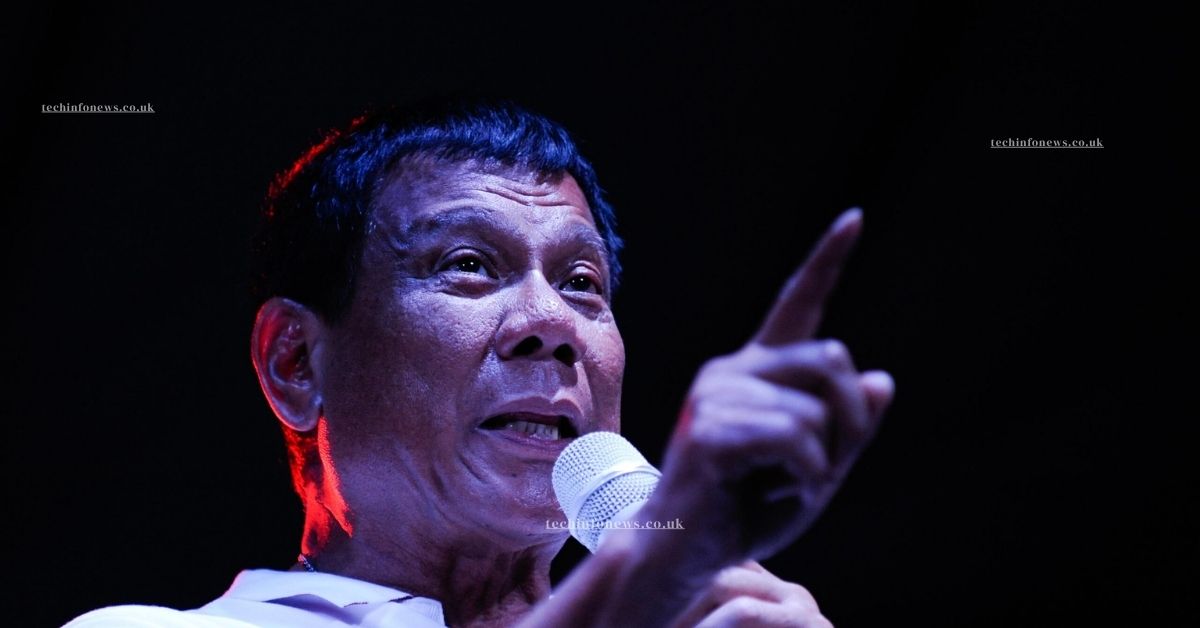
Have you ever wondered how a city goes from being called the “murder capital” to one of the safest places in Southeast Asia? The story of Rodrigo Duterte mayor of Davao City is a long and fascinating one. For over 20 years, he led this southern city with an iron fist and a soft heart for his people. Some called him “The Punisher,” while others saw him as a hero who finally brought peace to their streets. In this article, we will look at how he changed Davao and what his time as a local leader really meant for the Philippines.
Who is Rodrigo Duterte?
Before he became the 16th President of the Philippines, most people knew him as the long-time leader of Davao. Born in 1945, he grew up in a family of leaders. His father was a governor, and his mother was a teacher and activist. He studied law and worked as a prosecutor before entering politics. This background gave him a unique view of how the law works—and where it sometimes fails. When he first took office, Davao was a very different place than it is today.
The Transformation of Davao City
When Rodrigo Duterte mayor first started his term in 1988, Davao was struggling. It was a “haven of lawlessness” filled with gangs and rebels. He promised to clean up the streets, and he did exactly that. Over seven terms, he turned the city into a bustling hub for business and tourism. People started to feel safe walking at night again. This change didn’t happen overnight, but through steady and often strict rules that everyone had to follow.
Strict Law and Order Policies
One of the most famous things about Rodrigo Duterte mayor was his strict rules. He wasn’t afraid to set curfews or ban certain things that he felt caused trouble. For example, he limited alcohol sales after midnight and banned firecrackers. He even set a very low speed limit for cars to prevent accidents. While these rules seemed tough, many residents liked them because they made the city feel organized and predictable.
The Rise of the 911 Emergency System
Davao City became famous for having a world-class emergency response system. Under the leadership of Rodrigo Duterte mayor, the city set up its own “911” service, just like in the United States. This was a big deal because it was the first of its kind in the Philippines. It showed that he cared about saving lives and making sure help was always just a phone call away. This system is still a point of pride for Davaoeños today.
Economic Growth and New Investments
Safety brings business, and Davao is a perfect example of this. Because Rodrigo Duterte mayor made the city safe, big companies felt comfortable moving in. Shopping malls, hotels, and call centers started popping up everywhere. He offered tax breaks to help new businesses start. This created thousands of jobs for local people. Today, Davao is one of the richest cities in the country, thanks to this focus on peace and order.
A Mayor Who Patrolled the Streets
One reason people loved Rodrigo Duterte mayor was because he was “one of them.” He was often seen riding his Harley Davidson motorcycle around the city at night. He would check on the police and make sure the curfews were being followed. This hands-on style made people feel like their leader was actually watching out for them. It built a level of trust that most politicians never achieve.
Detailed Career Timeline of Rodrigo Duterte as Mayor
| Year | Milestone | Role/Achievement |
| 1986 | Appointed Vice Mayor | Started as OIC Vice Mayor after the People Power Revolution. |
| 1988 | First Election Win | Elected as Mayor for the first time, beginning his era. |
| 1992-1998 | Re-election | Served two more terms, focusing on anti-crime efforts. |
| 2001-2010 | Return to Power | Served three more terms after a short stint in Congress. |
| 2013-2016 | Final Term | Returned as Mayor before running for the Presidency. |
| Total | Over 22 Years | Transformed Davao from “Murder Capital” to “Safest City.” |
Protecting Women and Children
While he had a “tough guy” image, Rodrigo Duterte mayor also passed very progressive laws. He created the Women Development Code to protect women’s rights. He also banned swimsuit competitions in beauty pageants because he felt they were disrespectful. Davao was even named the “Most Child-Friendly City” multiple times. This shows that his leadership was about more than just fighting criminals; it was about protecting the vulnerable.
The Controversy of the “Davao Death Squad”
You cannot talk about Rodrigo Duterte mayor without mentioning the controversies. Human rights groups often criticized his methods. There were many reports of “death squads” that killed suspected criminals without a trial. While he denied direct involvement, his “tough on crime” talk led many to believe he supported these actions. This remains the most debated part of his legacy as a local leader.
A Model for Local Governance
Many other mayors in the Philippines looked at Davao as a model. They saw how Rodrigo Duterte mayor used 24/7 CCTV cameras and high-tech police cars to keep things quiet. He also appointed “deputy mayors” to represent different ethnic and religious groups, like the Lumad and Moro people. This helped everyone feel like they had a voice in the government, which is key to a peaceful city.
From Local Leader to National President
By 2016, the whole country wanted what Davao had. People were tired of crime and slow government in Manila. They looked at Rodrigo Duterte mayor and saw a man who got things done. His “Davao Style” of leadership became his platform for the presidency. He won by a landslide because voters hoped he could do for the entire Philippines what he did for his home city.
Frequently Asked Questions
1. How long was Rodrigo Duterte mayor of Davao?
He served as mayor for a total of seven terms, which is more than 22 years. He first started in 1988.
2. What are the most famous rules he made in Davao?
He is famous for the liquor ban after 2:00 AM, the smoking ban in public places, and a strict 30-40 kph speed limit inside the city.
3. Is Davao City really the safest city?
Under Rodrigo Duterte mayor, Davao was frequently ranked as one of the safest cities in the Philippines and even Southeast Asia based on crime statistics.
4. Did he really ride a motorcycle to patrol the city?
Yes! He was well-known for riding a Harley Davidson or an unmarked taxi to check on the city during the late hours.
5. What is the Davao 911 system?
It is a centralized emergency response system that provides quick help for medical, fire, and police emergencies, modeled after the US 911 system.
6. Why was he called “The Punisher”?
He earned this nickname due to his zero-tolerance policy for criminals and his very tough talk regarding law and order.
Conclusion
In the end, the time of Rodrigo Duterte mayor in Davao City changed the way people think about local government. He proved that with enough willpower and strict rules, a city can truly transform. While his methods were often controversial, the results in terms of safety and economic growth are hard to ignore. Whether you see him as a hero or a critic, his impact on Davao is permanent.
What do you think about his “tough on crime” approach? Let us know in the comments below! If you found this article helpful, feel free to share it with your friends.